Coordination
Co-developing the infrastructure necessary for ocean governance.
Ocean Agentics is building open tools that help marine managers, researchers and policymakers use inaccessible ocean data for governance.
The challenge
Ocean data is scattered across institutions, formats, and systems. The challenge is connecting these disparate datasets and making them usable without losing context, trust, or scientific integrity.
The opportunity
We believe global ocean governance requires engineering in partnership with delegations, scientists, and institutions across the world to co-develop the systems needed to share the ocean's resources for this and future generations.
Coordination
Co-developing the infrastructure necessary for ocean governance.
Equity
Open tools that all ocean stakeholders can equitably access.
Trust
Traceable evidence on biodiversity, productivity, and ocean health.
Coordination
Co-developing the infrastructure necessary for ocean governance.
Equity
Open tools that all ocean stakeholders can equitably access.
Trust
Traceable evidence on biodiversity, productivity, and ocean health.
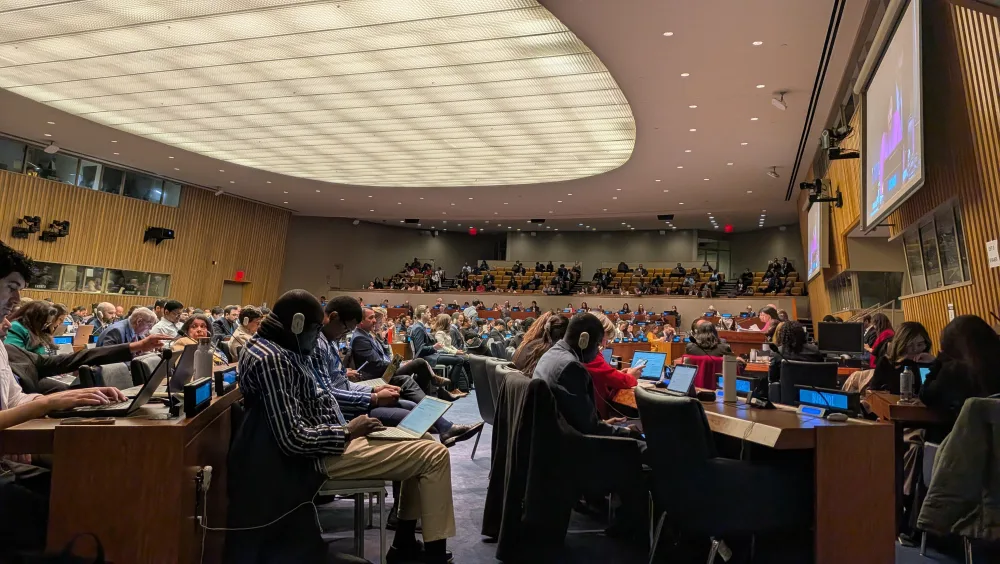
The UN BBNJ High Seas Treaty creates a pathway to protect two-thirds of the world's ocean, centered on a Clearing-House Mechanism for sharing information and coordinating action. But the infrastructure to make that possible does not yet exist, and we're building open tools to help make it real.
Infrastructure in progress
How governance gets built
Designating high-seas Area-Based Management Tools under BBNJ requires stitching together biodiversity, fisheries, oceanographic, and policy data that were never built to work together. We're building open marine evidence infrastructure that lets researchers and BBNJ Parties generate reproducible, source-linked evidence packages in hours, with collaborators including Global Fishing Watch, the Office of the Pacific Ocean Commissioner, the University of Queensland, and NOVA School of Law, and a phased plan from core data integration to case-study workflows and open release.
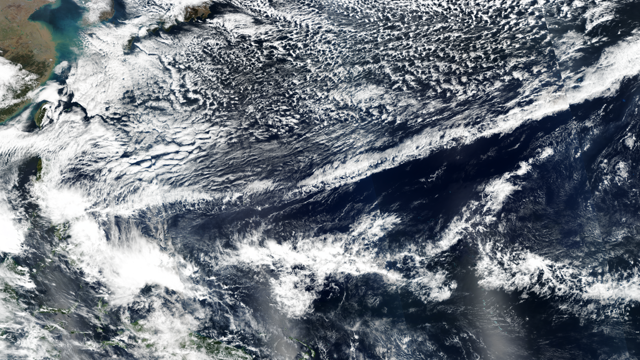
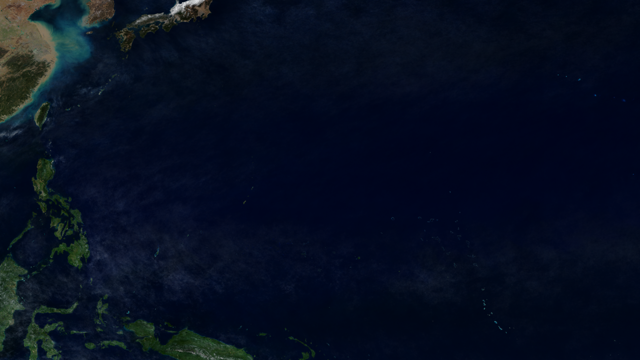
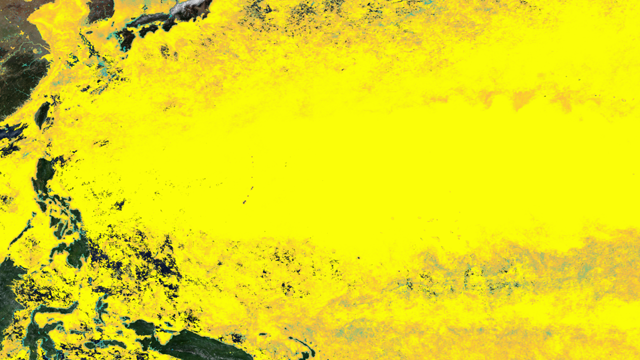
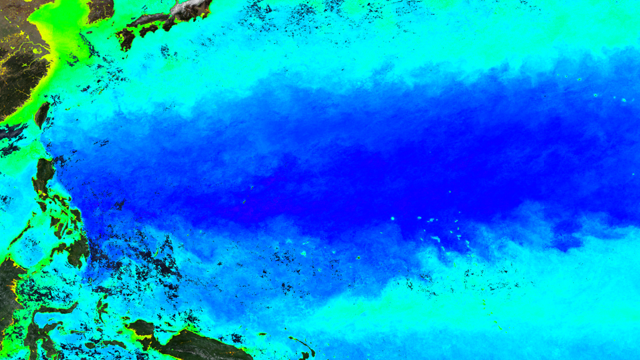
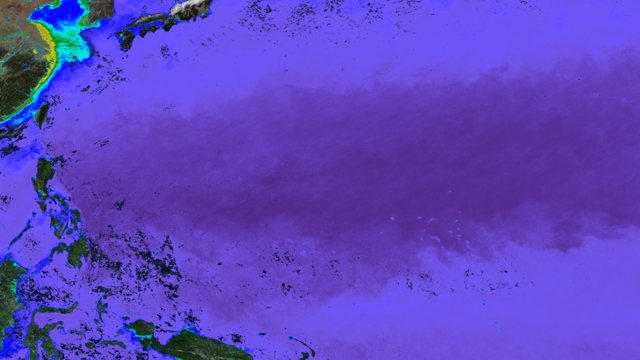
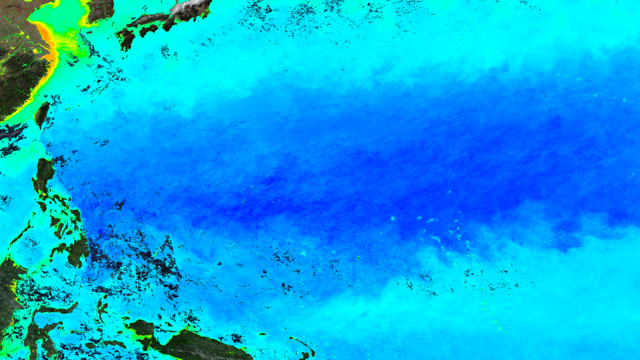
Truecolor Daily
Visible surface
Truecolor Daily
Visible surface
BBNJ priority
Where the work starts
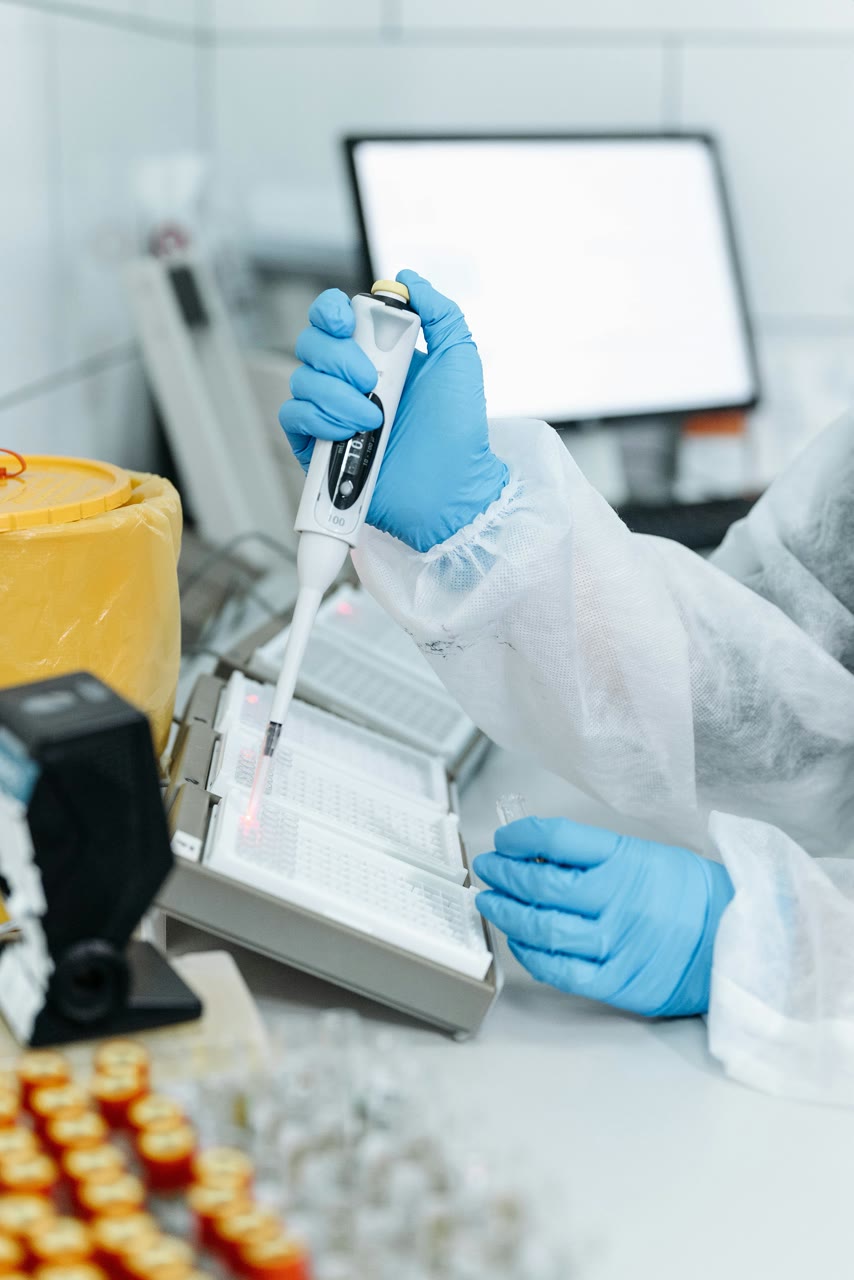
When a marine sample becomes a pharmaceutical, a research dataset, or a published study, its origin needs to travel with it across institutions and decades. We're prototyping the standards and technical implementation for the Standardized Batch Identifier system that make that traceability reliable, in support of the High Seas BBNJ Agreement's commitment to fair benefit sharing.
Coordination challenge
From real stakeholder needs
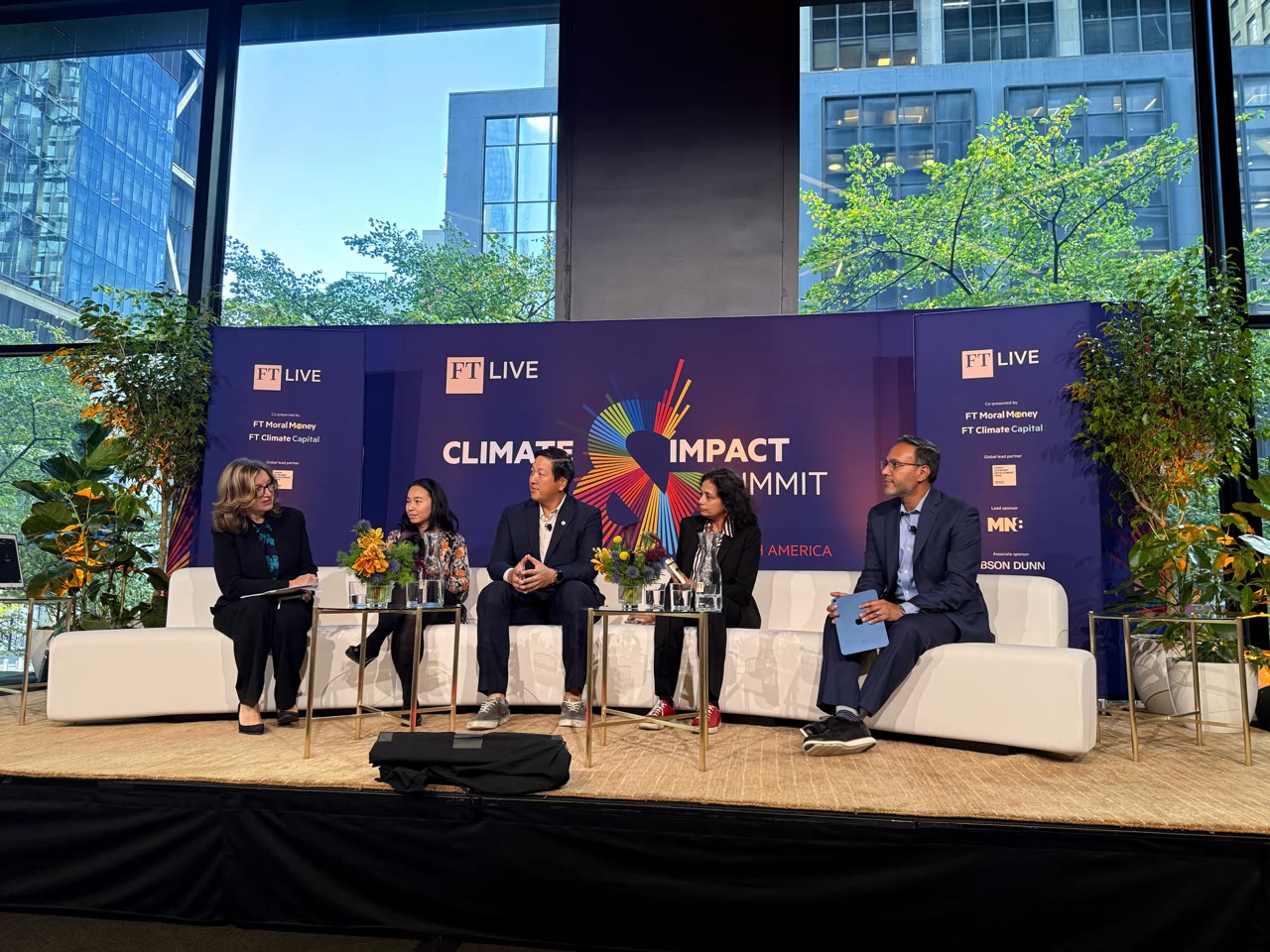
With Júlia Schütz Veiga and collaborators at NOVA School of Law / NOVA OCEAN, we're building a Portugal-based convening and hackathon where legal scholars, technologists, and underrepresented BBNJ partners co-design the agreements and prototype structure needed for marine genetic resources implementation. Ocean Agentics serves as backbone and technical lead, turning that work into shared governance, participation frameworks, and a roadmap for more equitable High Seas Treaty infrastructure.
Evidence assembly
Decision-ready evidence
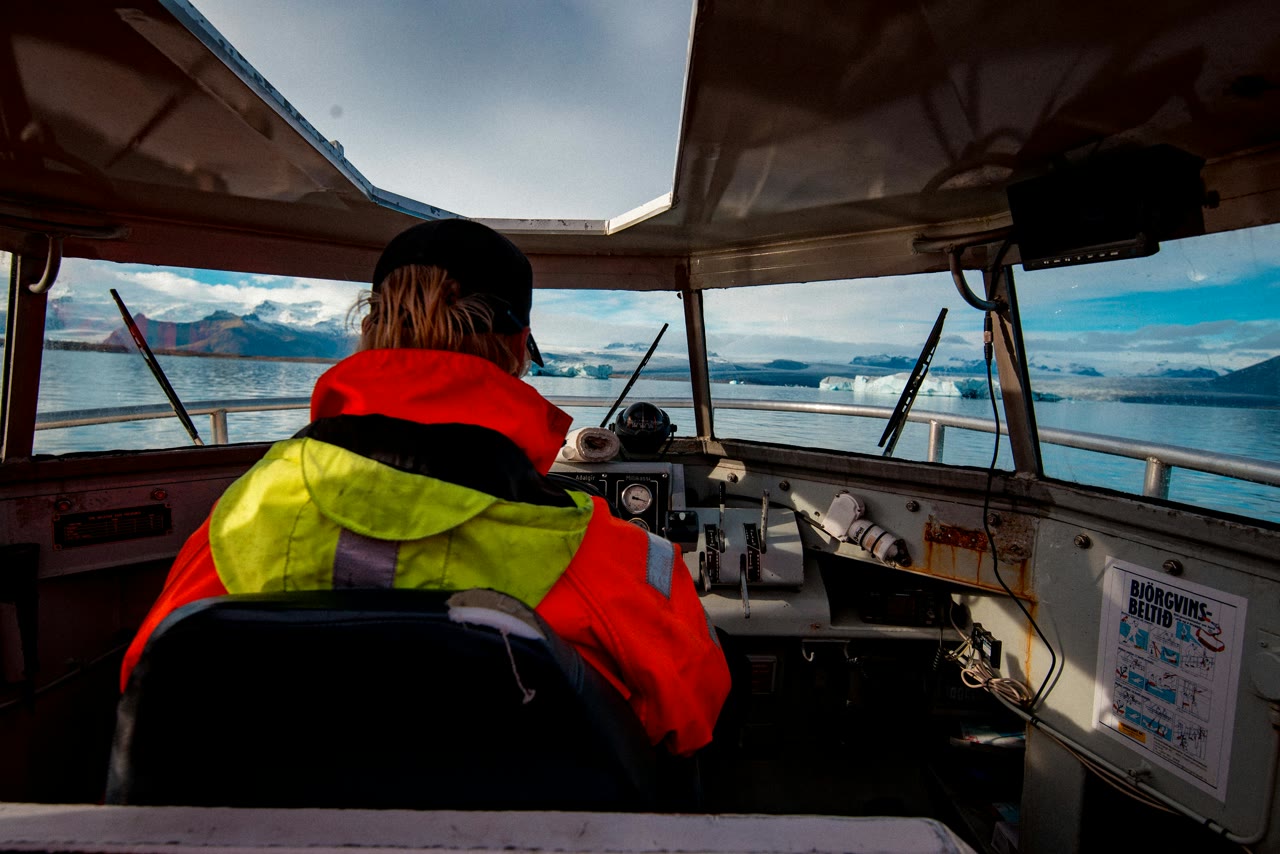
Using Global Fishing Watch data, we're tracking drifting Fish Aggregating Device fishing effort in the Western and Central Pacific to study how purse seine behavior changed after the 2024 high seas FAD closure shift and to lay the groundwork for AIS-based FAD detection. The work is in collaboration with Dr. Christopher Noren of SCS Global Services, a Marine Stewardship Council Team Leader specializing in WCPO purse seine tuna fisheries and FAD management.
Infrastructure in progress
How governance gets built
Designating high-seas Area-Based Management Tools under BBNJ requires stitching together biodiversity, fisheries, oceanographic, and policy data that were never built to work together. We're building open marine evidence infrastructure that lets researchers and BBNJ Parties generate reproducible, source-linked evidence packages in hours, with collaborators including Global Fishing Watch, the Office of the Pacific Ocean Commissioner, the University of Queensland, and NOVA School of Law, and a phased plan from core data integration to case-study workflows and open release.
Truecolor Daily
Visible surface
Truecolor Daily
Visible surface
BBNJ priority
Where the work starts
When a marine sample becomes a pharmaceutical, a research dataset, or a published study, its origin needs to travel with it across institutions and decades. We're prototyping the standards and technical implementation for the Standardized Batch Identifier system that make that traceability reliable, in support of the High Seas BBNJ Agreement's commitment to fair benefit sharing.
Coordination challenge
From real stakeholder needs
With Júlia Schütz Veiga and collaborators at NOVA School of Law / NOVA OCEAN, we're building a Portugal-based convening and hackathon where legal scholars, technologists, and underrepresented BBNJ partners co-design the agreements and prototype structure needed for marine genetic resources implementation. Ocean Agentics serves as backbone and technical lead, turning that work into shared governance, participation frameworks, and a roadmap for more equitable High Seas Treaty infrastructure.
Evidence assembly
Decision-ready evidence
Using Global Fishing Watch data, we're tracking drifting Fish Aggregating Device fishing effort in the Western and Central Pacific to study how purse seine behavior changed after the 2024 high seas FAD closure shift and to lay the groundwork for AIS-based FAD detection. The work is in collaboration with Dr. Christopher Noren of SCS Global Services, a Marine Stewardship Council Team Leader specializing in WCPO purse seine tuna fisheries and FAD management.
Co-author papers, integrate datasets, and design tools together.
See the prototypes we're building, the data systems we're connecting, and where your work could plug in.
As a U.S. nonprofit, we're building open infrastructure that outlasts any single grant cycle. Each of our four workstreams welcomes targeted philanthropic support.
Help guide our technical, scientific, and policy direction.